Advertisement · Sponsored Educational Content

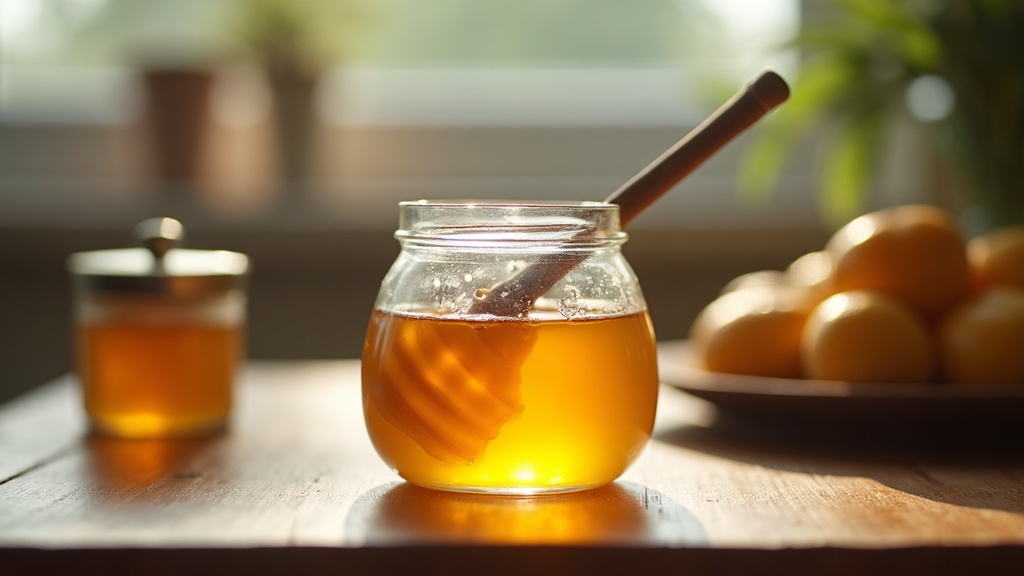
Why a Spoonful of Honey Has Kitchens Buzzing Among Adults Over 50

You open the cabinet and forget what you came for. Across the country, honey is quietly becoming part of everyday routines for people simply curious about aging well — long before anyone mentions memory.

n
Kitchen habits  ·  Everyday rituals  ·  Honey traditions  ·  Aging well, curiosity first

Why Memory Shifts After 50

It starts small. A name on the tip of your tongue. A recipe you’ve made a hundred times, suddenly fuzzy. Here’s what’s actually going on.

n

Recall Takes a Beat Longer

The word is there. It just takes an extra second to arrive. That pause is one of the most common changes people notice first.

Sleep Gets Lighter

Fewer deep-sleep hours can mean the brain has less quiet time to file away the day's information.

Afternoon Fog Sets In

Energy dips, focus drifts. Many people describe a window in the day when thinking just feels heavier.

Everyday Habits Get a Second Look

This is exactly why simple, traditional habits — like a spoonful of honey with tea — get more attention as we get older.

Myths vs. Facts About Memory After 50

There’s a lot of noise out there. Let’s separate what’s commonly believed from what’s actually reasonable to think.

n
MYTH

Memory decline is the same for everyone.

n
FACT

Experience varies widely person to person, shaped by sleep, stress, habits, and general health.

n
MYTH

If you forget something once, it’s a serious problem.

n
FACT

Occasional forgetfulness is common and widely discussed as a normal part of getting older.

n
MYTH

Only medication can help you feel sharper.

n
FACT

Many people also look at daily routines — diet, rest, and small rituals — as part of an overall approach to wellbeing.

n

A Simple Everyday Approach

No complicated plan. No special equipment. Just a routine some people fold into their morning.

n
01

Start With a Small Ritual

A warm drink, a quiet moment, a spoonful of honey. Small and repeatable beats big and complicated.

n
02

Keep It Consistent

Doing something small every day tends to matter more than doing something big once in a while.

n
03

Pair It With Rest

Many people find the habit sits naturally alongside a calmer evening routine and better sleep hygiene.

n

From Ancient Jars to Modern Kitchens

Honey has been part of daily life for thousands of years, long before it had a marketing team. Ancient households stored it, traded it, and used it as a kitchen staple across generations. Interest in traditional foods like honey has grown again recently, as more people look back at long-standing habits alongside modern routines.

n

The interesting part isn’t that honey is new. It’s that something this old is still part of the conversation.

n

Signs Worth Noticing

Losing Track Mid-Sentence

Starting a thought and losing the thread before finishing it.

Misplacing Everyday Items

Keys, glasses, the remote — small things that seem to wander off more often.

Struggling With Names

Faces feel familiar, but the name takes longer to surface than it used to.

Repeating Questions

Asking something that was already answered a few minutes earlier.

Feeling Mentally Tired Early

Focus that used to last all afternoon now fades sooner.

Trouble Following Multi-Step Tasks

Recipes, directions, or instructions that suddenly feel like they have too many steps.

What People Are Saying

I started adding honey to my evening tea mostly out of curiosity. It became a nice little ritual I look forward to.

Margaret H.
Illustrative account
My daughter sent me an article about traditional habits and honey. I figured it couldn't hurt to try something simple.
Walter D.
Illustrative account
It's not a magic fix, but I like having something small and steady in my routine. That part feels good on its own.
Carol S.
Illustrative account

These are individual accounts and reflect personal experiences only. Results and experiences vary from person to person. These statements are not a guarantee of any outcome.

n

Frequently Asked Questions

This page is educational and shares general information about a topic of interest. It links out to additional content for those who want to learn more.

n

No. Honey is a traditional food, not a treatment. Nothing here is intended to diagnose, treat, cure, or prevent any condition.

n

Many factors are involved, including sleep quality, stress, and general lifestyle. It’s a widely discussed part of aging.

n

Never change or stop any medication without speaking to your healthcare provider first.

n

This content is for general educational purposes only and does not replace advice from a qualified healthcare professional.

n

It’s written primarily for adults 50 and older who are curious about everyday habits related to aging well.

n

There’s a short video linked on this page that goes into more detail on the topic.

n

Curious How This Everyday Habit Fits In?

Take two minutes to watch the short video. No pressure, no hard sell — just information you can decide what to do with.

n

Advertising Disclosure: This is sponsored content created for advertising purposes. This page may contain affiliate links, and the owner of this website may receive compensation if you make a purchase or take action after clicking such links. This content is not independent editorial content.

n

Content Disclaimer: The information provided on this page is for educational and informational purposes only. It has not been evaluated by the FDA. Nothing on this page is intended to diagnose, treat, cure, or prevent any disease or health condition. Always consult a qualified healthcare professional before making changes to your diet, lifestyle, or medication routine.

n

Results Disclaimer: Individual results and experiences vary. Testimonials and personal accounts shared on this page reflect individual opinions and are not a guarantee of any specific outcome or result for any other person.

n

© 2026 · All Rights Reserved · Contact: /contact/

n